
"enzyme process"
600 article(s) found

Performance-to-price ratio of filter paper and filter paper parameters of common brands where to buy coffee filter paper and how to buy it
Professional coffee knowledge exchange more coffee bean information Please pay attention to the coffee workshop (Wechat official account cafe_style) hand-brewed coffee filter to choose: filter paper, metal filter mesh, filter cloth comparison in the follicular coffee, the use of coffee filter paper, more uniform and fully soak to extract coffee essence, thus getting a purer coffee flavor. How to buy coffee filter paper? Bleached filter paper vs unbleached

How to buy coffee filter paper? Will it affect the taste of coffee?
Filter paper is also divided into different grades, poor quality filter paper, sometimes will dissolve the taste of the pulp into the coffee, so it is recommended to blanch the filter paper with hot water first, so as to avoid the smell of the paper. In fact, there are many kinds of filter paper on the market at present, such as hemp, bamboo fiber, cotton, high-grade Japanese paper and so on. The fiber length of filter paper will affect the taste.

Steps of wet treatment of coffee after picking
As the harvest season is almost over, I would like to add an overview of the coffee processing process. In this blog post, I will introduce to you the steps of wet treatment in Yunnan after coffee picking. After harvest, the berries are either sent directly to the pulp collector (if the harvest is done well), or concentrated in a siphon tank filled with water. The berries are here.
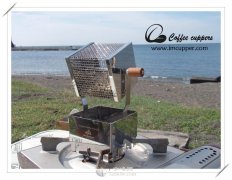
Roasting skills of coffee beans at home
Coffee roasting (coffee roasting) means that through heating raw beans, starch in raw beans is converted into sugars and acids at high temperature, substances such as cellulose will be carbonized to varying degrees, water and carbon dioxide will be volatilized, proteins will be converted into enzymes and fats, and the remaining substances will be combined to form an oil film on the surface of coffee beans, and in the process coffee acids will be formed.

Coffee bean roasting technology electric direct drum roaster
Coffee roasting (coffee roasting) means that through heating raw beans, starch in raw beans is converted into sugars and acids at high temperature, substances such as cellulose will be carbonized to varying degrees, water and carbon dioxide will be volatilized, proteins will be converted into enzymes and fats, and the remaining substances will be combined to form an oil film on the surface of coffee beans, and in the process coffee acids will be formed.

Introduction to the method of whole berry treatment for coffee flavor and taste in Anjing Manor, Nicaragua
The inspiration of whole berry treatment (also known as dry process) comes from wine brewing. The related research on grape production discusses the effects of fruit and pericarp on flavor and regards them as precious resources of products. From the process of making wine, we figure out how to make better coffee beans, so we use biological enzymes to decompose the skin, meat and pectin of berries to release juice.
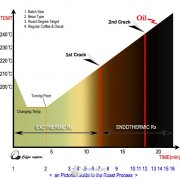
Roasting technology of boutique coffee reactions and changes in the roasting process of coffee
Coffee roasting (coffee roasting) means that through heating raw beans, starch in raw beans is converted into sugars and acids at high temperature, substances such as cellulose will be carbonized to varying degrees, water and carbon dioxide will be volatilized, proteins will be converted into enzymes and fats, and the remaining substances will be combined to form an oil film on the surface of coffee beans, and in the process coffee acids will be formed.

How to treat Yunnan coffee beans
As harvest season draws to a close, I would like to add an overview of the coffee processing process. In this blog post, I will introduce you to the wet processing steps after coffee picking in Yunnan. After harvest, the berries are either sent directly to a pulp collector (if the harvest is done well) or collected in a siphon tank filled with water. Berries are here.
Explain the steps of wet treatment after coffee picking
As the harvest season is almost over, I would like to add an overview of the coffee processing process. In this blog post, I will introduce to you the steps of wet treatment in Yunnan after coffee picking. After harvest, the berries are either sent directly to the pulp collector (if the harvest is done well), or concentrated in a siphon tank filled with water. The berries are here.

How does treatment affect the Chemical composition of Coffee the effect of treatment on roasting techniques
Why do sun beans taste different from water-washed beans? What makes the sweetness of honey treated coffee more obvious? The method of raw bean treatment has a great influence on the flavor, aroma and alcohol thickness of coffee, and it is also an important difference for many people to choose coffee beans. The flavor and aroma of coffee brought by the place of origin will develop the flavor and aroma of coffee when roasted, and the aroma compounds will be reversed by many chemicals.

Wet treatment of coffee beans processing methods of high-quality coffee beans
There are two ways to prepare coffee beans for the baking process. The method chosen has a significant impact on the final price and quality of coffee. The cheapest method of processing is called drying, which is used for lower-grade coffee beans, while higher-quality coffee beans are processed by wet treatment. The wet treatment process requires more capital investment and more energy, but it helps to ensure

The most common fermentation methods of coffee beans what are the flavor and taste characteristics of sun and water washing respectively?
Professional coffee knowledge exchange more coffee bean information Please pay attention to coffee workshop (Wechat official account cafe_style) fermentation this word in life is often reminiscent of noodle making cakes, Youtiao, steamed buns, steamed buns, or food spoilage items mildew. Fermentation has been achieved in our daily life, such as

Baking basic science, browning reaction non-enzymatic browning
Following Cafe Review (official Wechat account vdailycom) found that non-enzymatic browning of Beautiful Cafe opening a small shop of its own is different from enzymatic browning. Non-enzymatic browning reactions do not require enzymes, but their reactions require heat, sugars and amino acids. There are two non-enzymatic browning reactions related to coffee roasting: caramelization (caramelization recation) and Maillard reaction.

The taste and planting environment of Flower Butterfly Coffee is there a brief introduction to the price in Yunnan?
Is there any production of butterfly coffee in Yunnan? is there production in Yunnan? price brief introduction there are many ways of washing, but generally speaking, the floating beans are removed after the coffee fruit is picked, then the pulp is removed, and then the coffee beans are soaked in a fermentation trough. The enzymes in the water will soften the mucus attached to the endocarp of the coffee beans, and the natural yeast will decompose the sugar in the mucus. This process is called fermentation.

Wet treatment methods and steps for processing Yunnan Coffee beans
As the harvest season is almost over, I would like to add an overview of the coffee processing process. In this blog post, I will introduce to you the steps of wet treatment in Yunnan after coffee picking. After harvest, the berries are either sent directly to the pulp collector (if the harvest is done well), or concentrated in a siphon tank filled with water. The berries are here.

The most expensive and exotic coffee
The most expensive coffee in the world is not Nanshan Coffee, but Kopi Luwah coffee from Sumatra. The price is as high as $300 per pound! KOPI (Indonesian, coffee) LUWAK is produced in Sumatra, Zawa, and Sulvish and is part of the 13677 islands of Indonesia. LUWAK coffee is as expensive as gold and silver is not an infinite scenery on a fake island, but it is

Treatment methods of coffee beans after picking wet treatment steps
As the harvest season is almost over, I would like to add an overview of the coffee processing process. In this blog post, I will introduce to you the steps of wet treatment in Yunnan after coffee picking. After harvest, the berries are either sent directly to the pulp collector (if the harvest is done well), or concentrated in a siphon tank filled with water. The berries are here.

Washed Panamanian coffee beans introduce the taste of Panamanian coffee in Arida Manor.
Nowadays, there are many ways of washing, but generally speaking, the floating beans are removed after the coffee fruit is picked, then the pulp is removed, and then the coffee beans are soaked in a fermentation trough. The enzymes in the water will soften the mucus attached to the peel of the coffee beans. Natural yeast will break down the sugar in the mucus, a process called fermentation. After the fermentation is finished, move the coffee beans to the sun field to dry.

Introduction to the characteristics of Panamanian Coffee Flavor Manor produced by washing
There are many ways of washing, but generally speaking, the floating beans are removed after the coffee fruit is picked, then the pulp is removed, and then the coffee beans are soaked in a fermentation trough. The enzymes in the water will soften the mucus attached to the peel of the coffee beans. Natural yeast will break down the sugar in the mucus, a process called fermentation. After the fermentation is finished, move the coffee beans to the sun field to dry and dry.

The way of picking and handling Coffee introduction to the varieties of Coffee growing areas in picking season
The way of picking and handling Coffee varieties are introduced in the planting environment during picking season in Yunnan, this process is mainly completed by natural fermentation. The term fermentation is not 100% accurate because there is no biochemical reaction inside the coffee beans. It is more appropriate to call this process the use of biochemical reaction or hydrolysis to remove mucus. This reaction is caused by coffee berries.